Innovation platforms
Ten innovation platforms, one methodology
Each platform maintains its own protocol library, reference cultivars and historical baseline dataset — so a new result can be compared against something rather than judged in isolation.
PL 01
Plant biostimulants
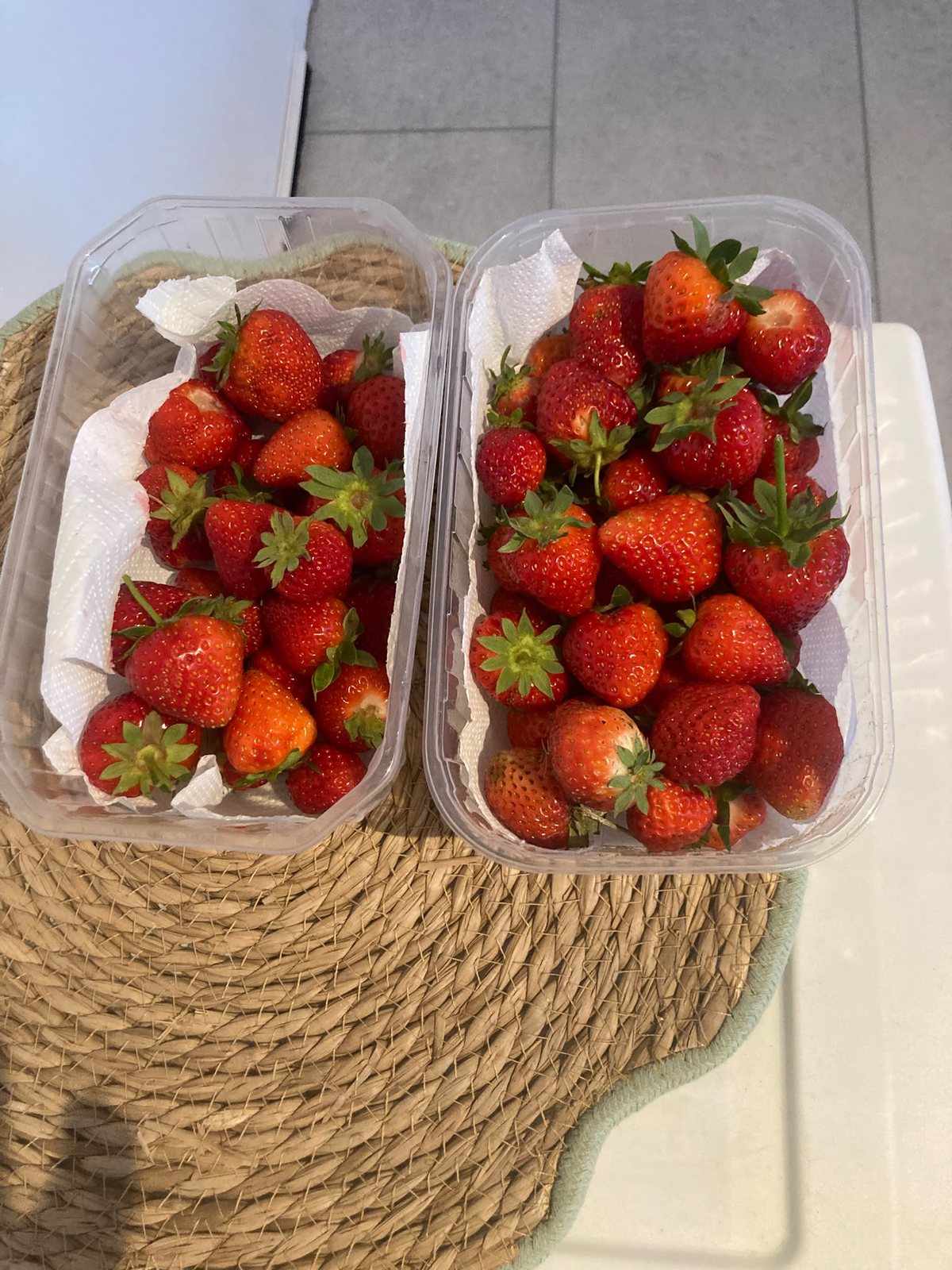
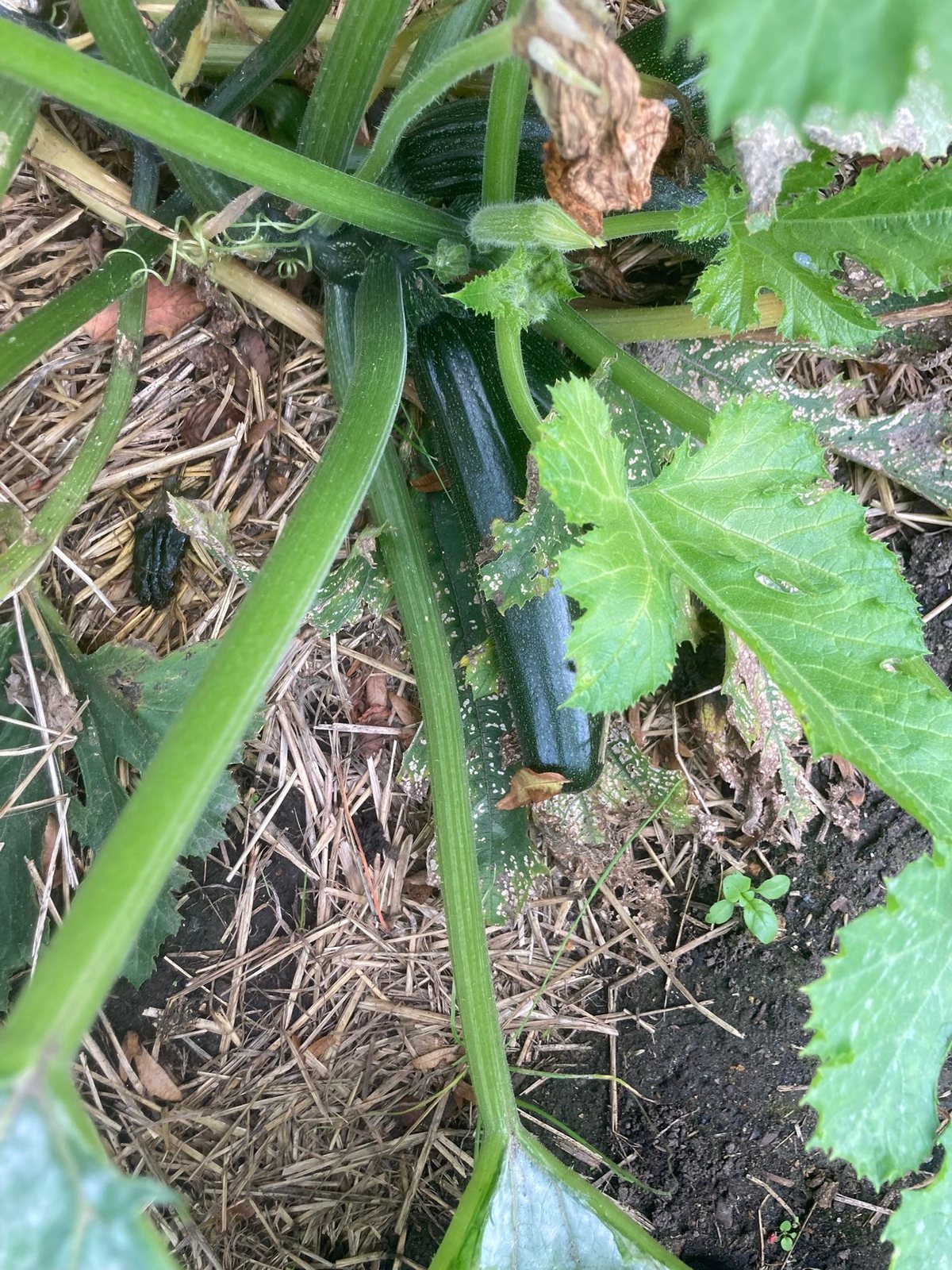
The largest programme at the center. Biostimulant claims are notoriously difficult to substantiate because effects are often modest, context-dependent and easily confounded by water and nutrition.
- Germination rate, uniformity and time to 50% emergence
- Root architecture by washed-root imaging and dry mass partitioning
- Shoot biomass accumulation across the vegetative window
- Dose–response and application-frequency optimisation
- Carrier and formulation controls to isolate the active effect
PL 02
Abiotic stress
Controlled imposition of drought, heat and salinity stress on established plots, with recovery tracked after the stress window closes.
- Progressive water deficit with soil moisture monitoring
- Relative water content and chlorophyll fluorescence indices
- Salinity gradients under protected cultivation
- Recovery trajectory after rehydration
- Yield penalty quantified against unstressed reference plots
PL 03
Seed technologies
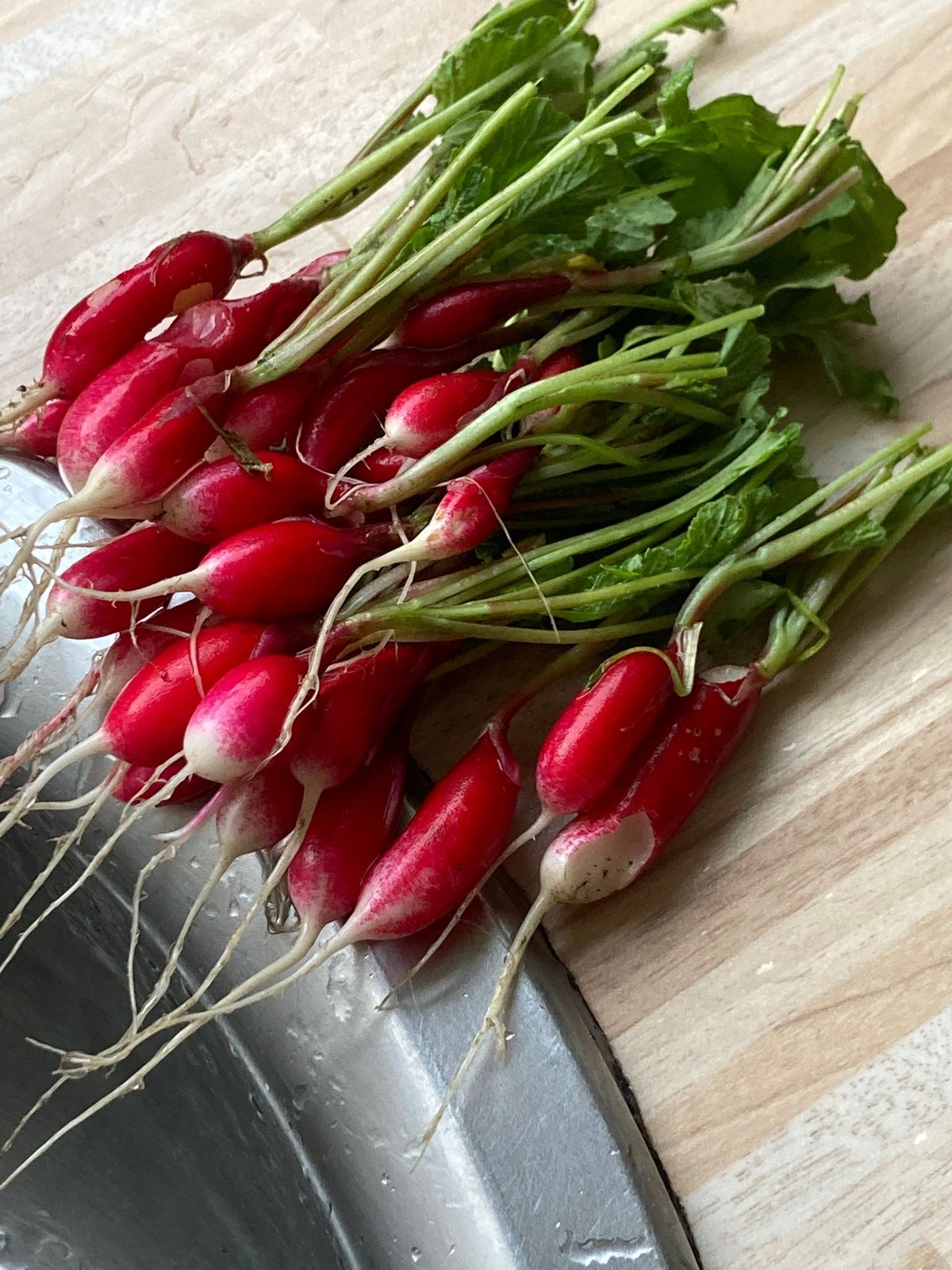
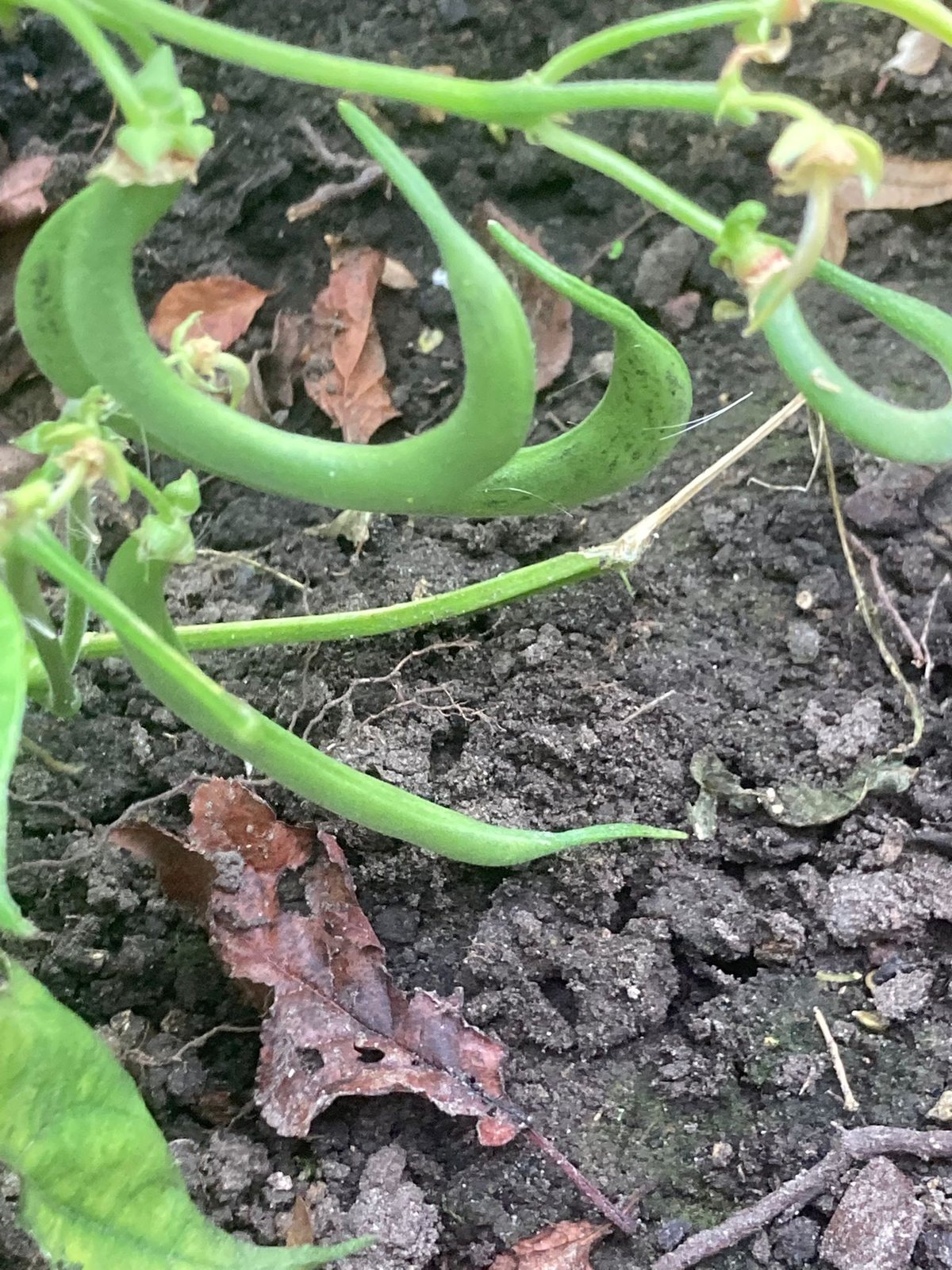
Coatings, primings, pelleting and biological seed treatments assessed on the endpoints that determine whether a grower sees value: establishment speed, uniformity and stand count.
- Emergence percentage against certified sown total
- Time to emergence and spread across the cohort
- Seedling uniformity and early vigour scoring
- Storage stability of treated seed across intervals
- Petri-dish germination screening prior to field commitment
PL 04
Biological crop protection
Efficacy evaluation under natural pest and pathogen pressure, benchmarked where appropriate against a conventional reference standard.
- Incidence and severity scoring on standardised scales
- Comparison against untreated and conventional reference arms
- Application timing and interval optimisation
- Phytotoxicity assessment at label and above-label rates
- Beneficial-organism observations where relevant
PL 05
Regenerative agriculture
Multi-season systems research: cover cropping, reduced tillage, rotation design and organic amendment strategies, tracked on both soil and production outcomes.
- Cover crop species and mixture comparison
- Tillage intensity effects on structure and yield
- Rotation sequence and break-crop performance
- Soil organic matter trajectory across seasons
- Transition-period yield economics
PL 06
Circular bioeconomy
Agricultural and agro-industrial by-products evaluated as functional inputs, closing loops that currently end in disposal cost.
- Agronomic value of processed by-product streams
- Application rate and safety threshold determination
- Comparison against equivalent conventional inputs
- Residue and accumulation monitoring
- Whole-system material balance
PL 07
Crop nutrition
Nutrient use efficiency, foliar programme design and input-reduction strategies — increasingly driven by regulatory pressure on nitrogen and phosphorus.
- Nutrient use efficiency at reduced application rates
- Foliar programme timing and compatibility
- Deficiency correction speed and durability
- Tissue analysis across the growth curve
- Yield and quality response to input reduction
PL 08
Precision agriculture
Sensing, imaging and decision-support systems ground-truthed against manual measurement — the step most AgTech hardware never receives.
- Sensor output correlated against destructive sampling
- Multispectral and thermal imaging validation
- Decision-support recommendation accuracy over a season
- Field robustness, drift and calibration stability
- Data pipeline and export verification
PL 09
Soil health
Long-term monitoring blocks maintained specifically to detect changes that only appear across multiple seasons.
- Organic matter and carbon fractions
- Aggregate stability and infiltration rate
- Microbial respiration and biological activity
- Nutrient availability and cation exchange
- Earthworm and macrofauna counts
PL 10
Climate resilience
Screening varieties, inputs and practices against the conditions Northern European agriculture is moving toward rather than the conditions it has had.
- Varietal screening under heat and drought episodes
- Sowing-date shift and season-extension trials
- Waterlogging tolerance after intense rainfall events
- Late-frost recovery assessment
- Multi-season weather correlation with performance
Get started
Not sure which platform fits your technology?
Most products touch two or three. Describe what it does and we will propose the design that isolates the effect you actually need to demonstrate.